 Become Fighter
Learn Wrestling
Stance, level changes and shots, then how to stop them and get back up. Most of it you can drill on your own.


What you learn
Stance, shots and sprawls, then chain wrestling, mat work and match strategy. Partner work is marked clearly. You will learn 21 techniques: Step in, Circle out, Pivot, Hand fight, Level change, Penetration step, Double leg, Single leg, Sprawl, Underhook, Whizzer, Snap-down, Sit-out, Technical stand-up, Collar tie, Arm drag, Body lock, Inside trip, Half nelson, Switch, Hip toss.
Lessons
Each lesson has key points, a step-by-step guide, common mistakes and a timed drill. Start at the top and work down.
Stance and motion
The low, balanced base every wrestling skill grows from. All of it is safe to practise alone.
- 1The wrestling stance: Wrestling guide FreeLow hips, bent knees, head up and hands forward: a base that is hard to move and quick to shoot from.
 Moving in stance: Wrestling guide FreeStep, shuffle, circle and pivot without standing up or crossing your feet.
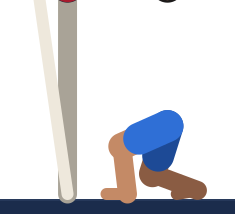 Hand fighting: Wrestling guide FreeWin the space between you before anything else: touch, pull, push and clear their hands.


Level change and shots
How to go from standing to your opponent's legs. The entries are solo drills, the finishes need a partner.
 The level change: Wrestling guide ProDrop your hips and head level below theirs by bending the knees, not by bowing your back.
 The penetration step: Wrestling guide ProThe big, driving step that takes you from outside their reach to inside their hips.
 The double leg: shot on air: Wrestling guide ProLevel change, penetration step and a clean reach to both legs, rehearsed with no partner.
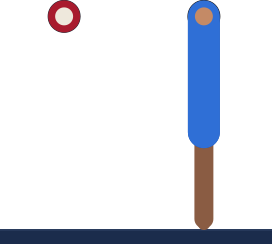 The single leg: shot on air: Wrestling guide ProThe same low entry as the double leg, but you secure one leg and work to your feet.
- 8Finishing the shots with a partner: Wrestling guide ProSlow, supervised reps of the double leg and single leg finish. Never to be rushed.


Defence, getting up and chains
Stopping shots, escaping the bottom and linking everything together.
 The sprawl: Wrestling guide ProKick your legs back, drop your hips onto their shoulders and make the shot fail.
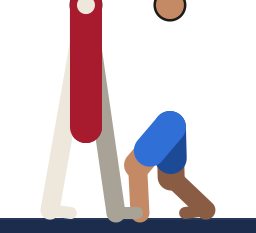 Underhooks and ties: Wrestling guide ProControl the upper body with an underhook, working slowly with a partner.
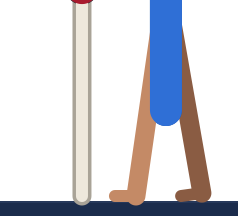 Whizzer and snap-down: Wrestling guide ProTwo defensive tools against shots, practised slowly with a partner.
 Sit-out and stand-up: Wrestling guide ProEscape from the bottom: post, sit your hips through and get back to your feet.
- 13Chain wrestling: Wrestling guide ProLink shot, sprawl and re-shot so one failed attempt becomes the start of the next.


Clinch takedowns
Winning the tie-up and taking the fight down from close range with ties, hips and angles.
- 14Collar tie and wrist control: Wrestling guide ProOwn the first contact: collar tie, wrist control and head position.
- 15Underhook battles and 2-on-1: Wrestling guide ProWin the inside position, fight for the underhook and control an arm with a two-on-one.
- 16Arm drag to the back: Wrestling guide ProDrag their arm across, step to the outside and take the back.
- 17Body lock and inside trip: Wrestling guide ProLock the body, close the distance and trip the leg out from under them.
Top control
Staying on top once the fight is on the mat: riding, breaking down and turning.
- 18Riding and hip pressure: Wrestling guide ProStay heavy on top: hips, head position and wrist control.
- 19
- 20
- 21
Bottom escapes and reversals
Standing up, switching and rolling out from underneath a rider.
- 22Base, hand control and stand-up: Wrestling guide ProBuild a strong base, clear the rider's hands and stand up under pressure.
- 23
- 24
- 25Chaining escapes: Wrestling guide ProLink sit-out, switch and Granby so one answer leads to the next.
Chain wrestling
Linking shots so every miss becomes the setup for the next attack.
- 26Single to double: Wrestling guide ProTurn a stuffed single leg into a double leg by changing your hips and angle.
- 27Re-shots and recovery: Wrestling guide ProDefend the sprawl by turning the corner and shooting again.
- 28Finishing on the edge: Wrestling guide ProFinish shots that go off the line, with limited space and pressure.
- 29
Upper-body throws
Body lock, hip toss and headlock throws. Breakfall first, and always with a coach.
- 30
- 31
- 32
- 33Headlock throw and its dangers: Wrestling guide ProA classic throw that needs a coach, a safe angle and a trained partner.
Scrambles and re-attacks
Staying calm and on the front foot when a position breaks down.
- 34
- 35Front headlock scrambles: Wrestling guide ProUse the front headlock to control a stuffed shot and spin behind.
- 36Re-attack from the scramble: Wrestling guide ProTurn a failed finish into a new takedown without resetting.
- 37
Live wrestling
Going from drilled moves to real goes: flow rounds, situations and live rounds with a coach.
- 38Go-with-flow rounds: Wrestling guide ProWrestle at a controlled pace to practise reading and reacting.
- 39
- 40Live goes with a coach: Wrestling guide ProFull live wrestling under supervision, and how to learn from it.
- 41Mat etiquette and conditioning demands: Wrestling guide ProHow to be a good partner, and the conditioning that live wrestling demands.
Match craft
Rules, scoring, game planning and competition day.
- 42Folkstyle, freestyle and scoring: Wrestling guide ProHow the main rulesets score, and what that does to your game.
- 43
- 44
- 45Corner communication and reading opponents: Wrestling guide ProUse your corner well and read your opponent between and during periods.
Who it's for
Beginners, and anyone who wants to tidy up the basics. You don't need a gym, a partner or any kit, although some lessons are better with a partner.
Safety
Combat sports training is hard on the body. Warm up, stay within your limits and check with a doctor first if you have a health condition. Practise in a clear space and stop if you feel pain or dizziness. Learn partner work only under a qualified coach.
Get it on Google Play. Coming soon to the App Store.