 Become Fighter
Learn MMA
How striking, wrestling and ground work connect. Starts with what you can drill safely on your own.


What you learn
Striking, wrestling and ground work as one system, from your first sprawl to cage-ready. You will learn 30 techniques: Sprawl, Hip escape, Technical stand-up, Jab, Cross, Low kick, Body kick, Teep, Check, High block, Parry, Hand fight, Underhook, Pummel, Whizzer, Level change, Penetration step, Double leg, Single leg, Snap-down, Closed guard, Guard frame, Scissor sweep, Bridge, Elbow-knee escape, Bridge and roll from mount, Knee from the clinch, Wall walk, Cage pin, Ground and pound.
Lessons
Each lesson has key points, a step-by-step guide, common mistakes and a timed drill. Start at the top and work down.
MMA basics
The stance and the three ground skills that keep you safe when a fight changes range.
- 1How to stand in an MMA stance FreeA boxing stance adapted for kicks and takedowns: wider, lower and more central.
 How to sprawl against a takedown FreeThe first defence against a shot at your legs: throw the hips back and down.

 How to do a technical stand-up ProGetting back to your feet from the floor while keeping your head and hands safe.


Striking for MMA
Boxing and kicking adapted for a fight where takedowns are always possible.
 Jab and cross with takedown awareness: MMA guide ProThrow the basic punches without leaning, reaching or squaring up into a shot.
 Low, body and front kicks: MMA guide ProThe three kicks that carry most MMA offence, and how to throw them without falling.
 Defence against strikes and shots: MMA guide ProBlocks and parries that keep your hips ready and your head off the line.


The clinch
Controlling the space between striking range and the takedown.
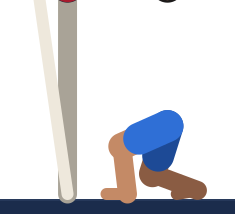 Clinch position and posture: MMA guide ProThe upright, connected posture that lets you control a clinch without being controlled.
- 10Balance and head position: MMA guide ProHow to stay on your feet in a clinch and take your opponent's balance first.
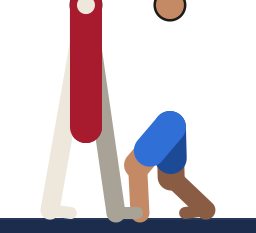 Underhooks, overhooks and pummeling: MMA guide ProFight for the inside arm and learn what each grip lets you do.
- 12Wall and cage awareness: MMA guide ProKnow where the fence is, and move so you are never trapped against it.


Takedown fundamentals
How takedowns work and how to stay on your feet.
 Takedown awareness and timing: MMA guide ProSpot the moments a shot works: after a miss, during a kick, when the hands drop.
 Double leg and single leg: MMA guide ProThe two shots that carry most MMA takedowns, with the penetration step that makes them work.

- 16Recovering after a failed shot: MMA guide ProDo not stay under a sprawl. Get your feet back, or get back to your feet.


Ground fundamentals
The main positions on the floor and how to escape them.
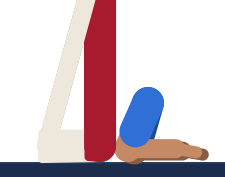 Guard in MMA: MMA guide ProClosed guard as a place to control posture, create angles and stay safe from strikes.
 Sweeps and half guard: MMA guide ProReverse the position from the bottom, and survive when your guard is half passed.
- 19Mount and side control: MMA guide ProHow to hold the dominant positions without losing balance, and how to stay safe in them.
 Escaping bad positions: MMA guide ProBridge, elbow escape and mount escape: the three tools for getting out from underneath.


Transitions
Linking striking, the clinch, takedowns and the ground into one flow.
- 22Clinch to takedown: MMA guide ProUse an underhook and a lowered level to turn a clinch into a takedown.
- 23Takedown to control: MMA guide ProLand on top, stay on top, and settle into a position instead of scrambling.
- 24Ground to standing: MMA guide ProGet up from guard or from underneath when you do not want to be there.
Cage work
Use the fence to take away the opponent's options, and get off it when it is your back against it.
- 25Wall walk and getting off the cage: MMA guide ProStand up with your back to the fence by walking up it, and stay safe while you do.
- 26Pinning and working against the cage: MMA guide ProTrap the opponent on the fence, take away their circling and wear them down.
Top control and ground and pound
Hold a stable position first, then strike without giving it away.
- 27Posture and passing in guard: MMA guide ProStay upright and heavy in an opponent's guard so they cannot attack you, and pass when ready.
- 28Ground and pound: MMA guide ProStrike from the top without losing position. Short, heavy and balanced.
Submissions for MMA
The four finishes that fit a fight with strikes, learned slowly and with a partner who taps early.
- 29Rear-naked choke and guillotine: MMA guide ProThe two chokes MMA fighters finish most often, drilled with control and a clear tap rule.
- 30Arm-triangle and kimura: MMA guide ProA choke and a shoulder lock from the top, drilled with attention to the partner's joints.
Striking and takedown entries
Make the takedown a threat that opens your hands, and make the opponent's shot cost them.
- 31Level change off punches: MMA guide ProHide the shot behind a punch so the opponent defends the hands and loses the hips.
- 32
MMA sparring
Turn drilled skills into live rounds, at an intensity that keeps you training for years.
- 33Gear, rules and graded intensity: MMA guide ProWhat to wear, what is allowed, and how to agree the intensity before the bell.
- 34Sparring formats and live rounds: MMA guide ProBuild from positional rounds to full MMA, so each phase is practised before it is mixed.
Fight IQ
Game plans, round management, scoring and the week before a fight.
- 35Game plans by opponent type: MMA guide ProDecide where the fight will be fought, based on who is across from you.
- 36Round management and scoring: MMA guide ProThree five-minute rounds, how judges score them, and how to win rounds you can lose.
- 37Fight week, nerves and corner talk: MMA guide ProKeep the week simple: sleep, routine, a warm-up that works and a corner that gives you one clear message.
Who it's for
Beginners, and anyone who wants to tidy up the basics. You don't need a gym, a partner or any kit, although some lessons are better with a partner.
Safety
Combat sports training is hard on the body. Warm up, stay within your limits and check with a doctor first if you have a health condition. Practise in a clear space and stop if you feel pain or dizziness. Learn partner work only under a qualified coach.
Get it on Google Play. Coming soon to the App Store.