 Become Fighter
Learn Brazilian Jiu-Jitsu
The map of the ground game, then the movements you can drill alone, then escapes and your first guard work with a partner.


What you learn
Position before submission. Escapes and guard work, then passing, back attacks and competition rolling. You will learn 22 techniques: Breakfall, Hip escape, Bridge, Technical stand-up, Granby roll, Sit-through, Guard frame, Bridge and roll from mount, Elbow-knee escape, Closed guard, Scissor sweep, Armbar from guard, Knee cut pass, Toreando pass, Back take, Cross collar choke, Triangle choke, Kimura, Americana, Guillotine, Butterfly sweep, Rear-naked choke.
Lessons
Each lesson has key points, a step-by-step guide, common mistakes and a timed drill. Start at the top and work down.
How jiu-jitsu works
The map of positions, the habit of tapping, and the two movements you will use more than any other.
- 1The big picture: Brazilian Jiu-Jitsu guide FreeWhy position comes before submission, and the ladder from guard to back control.
 Falling safely: Brazilian Jiu-Jitsu guide FreeThe backward breakfall: chin tucked, arm slap, and learning to land without injury.
 The shrimp: Brazilian Jiu-Jitsu guide FreeThe hip escape: the movement that makes space on your back and underlies almost every escape.


Solo movement
The drills you can do alone on a mat or carpet: bridge, stand up, roll and switch your hips.
 The bridge: Brazilian Jiu-Jitsu guide ProThe upa: driving your hips up and over to throw weight off you.
 Technical stand-up: Brazilian Jiu-Jitsu guide ProGetting back to your feet from the floor with a hand and a leg guarding you.
 The granby roll: Brazilian Jiu-Jitsu guide ProSpinning on your shoulders to turn your legs back towards an opponent.
 The sit-through: Brazilian Jiu-Jitsu guide ProSwitching your hips from a kneeling base to sitting, the hinge between top and bottom.


Escapes
Framing, the bridge-and-roll and the elbow-knee escape: how to get out from under a heavy opponent.
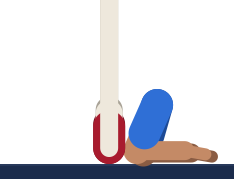 Frames and space: Brazilian Jiu-Jitsu guide ProUsing bones, not muscles, to hold an opponent off and make room to move.
 Bridge and roll from mount: Brazilian Jiu-Jitsu guide ProThe classic escape: trap an arm and a foot, bridge and roll your opponent over.
 The elbow-knee escape: Brazilian Jiu-Jitsu guide ProShrimping out from side control or mount to get your knee back in and recover guard.


Closed guard basics
Controlling someone from your back: posture, the scissor sweep and the armbar, always with a partner.
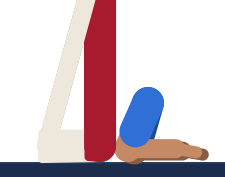 Closed guard and posture: Brazilian Jiu-Jitsu guide ProLocking your legs round an opponent and keeping their posture broken.
 The scissor sweep: Brazilian Jiu-Jitsu guide ProTurning guard into a top position by tipping your opponent sideways.
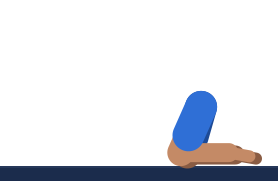 The armbar from guard: safe entries: Brazilian Jiu-Jitsu guide ProHow the armbar works in principle, and the safe way to practise it with a partner and a coach.
Passing the guard
Getting past the legs to a dominant position: posture, the knee cut, toreando and the stack pass.
- 14Posture, base and opening the guard: Brazilian Jiu-Jitsu guide ProStaying tall and heavy inside closed guard, then opening it without getting swept.
- 15The knee cut pass: Brazilian Jiu-Jitsu guide ProCutting your knee through the middle of the guard to land in side control.
- 16Toreando and speed passing: Brazilian Jiu-Jitsu guide ProMoving round the legs on your feet when they use their feet and knees to keep you away.
- 17The stack pass and passing safely: Brazilian Jiu-Jitsu guide ProFolding the legs over their body, and staying safe from sweeps and submissions while you pass.
Top control
Pinning someone and keeping them there: side control, mount, knee on belly and the back.
- 18Side control: Brazilian Jiu-Jitsu guide ProHeavy, chest-to-chest pressure that shuts down their hips and their frames.
- 19Mount: Brazilian Jiu-Jitsu guide ProClimbing to a high mount and staying there against bridges and elbow escapes.
- 20Knee on belly and transitions: Brazilian Jiu-Jitsu guide ProA mobile pin that scores and lets you move between side control, mount and the back.
- 21Back control: hooks and seatbelt: Brazilian Jiu-Jitsu guide ProThe strongest position in the sport and how to keep it.
Half guard
The position between guard and pass, from the top and the bottom: knee shield, underhook and sweeps.
- 22Half guard from the top: Brazilian Jiu-Jitsu guide ProPinning the trapped leg, flattening the opponent and freeing your leg.
- 23Half guard from the bottom: knee shield: Brazilian Jiu-Jitsu guide ProUsing the knee shield to stay safe and keep distance.
- 24The underhook and getting to your knees: Brazilian Jiu-Jitsu guide ProFighting for the underhook, then using it to come up or sweep.
- 25Half guard sweeps and recovering guard: Brazilian Jiu-Jitsu guide ProThe old-school sweep, and rebuilding a full guard when the pass is coming.
Submissions system
Chokes and joint locks you can finish: cross collar, triangle, kimura, americana and guillotine. Always slow, always with a partner.
- 26Cross collar choke from guard: Brazilian Jiu-Jitsu guide ProA blood choke that uses the gi lapels and a pulling elbow.
- 27The triangle choke: Brazilian Jiu-Jitsu guide ProTrapping one arm and the head inside your legs from guard.
- 28Kimura and americana: Brazilian Jiu-Jitsu guide ProTwo shoulder locks that use the same figure-four grip.
- 29The guillotine: Brazilian Jiu-Jitsu guide ProA front choke for when someone dives their head under your arm.
Open guard
Using your feet, hooks and frames to sweep and keep passers away: butterfly, De La Riva and guard retention.
- 30Butterfly guard and the hook sweep: Brazilian Jiu-Jitsu guide ProSitting up with both feet inside their thighs and lifting them over.
- 31De La Riva guard: the concept: Brazilian Jiu-Jitsu guide ProA hook on the outside of their leg that lets you control their base.
- 32Open guard sweeps: Brazilian Jiu-Jitsu guide ProTripod and sickle-type sweeps that take a standing passer to the mat.
- 33Guard retention and recovery: Brazilian Jiu-Jitsu guide ProKeeping the passer off with frames, hip movement and re-guarding.
Back attacks and chains
Taking the back from several positions, finishing the rear-naked choke and chaining attacks together.
- 34Taking the back: Brazilian Jiu-Jitsu guide ProThree reliable routes to the back: the turn, the scramble and the sweep.
- 35The rear-naked choke: Brazilian Jiu-Jitsu guide ProThe standard finish from the back, applied slowly and safely.
- 36Chaining attacks: Brazilian Jiu-Jitsu guide ProHow a threat from one attack sets up the next: choke, arm, turn.
- 37Defending the back: Brazilian Jiu-Jitsu guide ProProtecting your neck and escaping when someone has hooks and a seatbelt.
Rolling
Turning technique into live skill: positional sparring, flow rolling and live rounds, with respect for your partner.
- 38Positional sparring: Brazilian Jiu-Jitsu guide ProStarting from one position with one goal each, so that you learn without the chaos.
- 39Flow rolling: Brazilian Jiu-Jitsu guide ProLight, continuous rolling to build timing, transitions and calm.
- 40Live rolling and etiquette: Brazilian Jiu-Jitsu guide ProFull-intensity rounds with a coach present, and how to behave on the mat.
- 41Ego, learning and recovery: Brazilian Jiu-Jitsu guide ProUsing losses to improve and looking after your body for the long run.
Competition craft
Scoring, gi and no-gi differences, match strategy and how to handle competition day.
- 42Points, advantages and penalties: Brazilian Jiu-Jitsu guide ProHow IBJJF-style matches are scored and how to use that to win.
- 43Gi versus no-gi: Brazilian Jiu-Jitsu guide ProHow grips, speed and strategy change between the two formats.
- 44Match strategy: takedown or guard pull: Brazilian Jiu-Jitsu guide ProChoosing how to start, building a lead and managing the clock.
- 45Competition day: nerves and warm-up: Brazilian Jiu-Jitsu guide ProPreparing sensibly, staying calm and arriving ready for each match.
Who it's for
Beginners, and anyone who wants to tidy up the basics. You don't need a gym, a partner or any kit, although some lessons are better with a partner.
Safety
Combat sports training is hard on the body. Warm up, stay within your limits and check with a doctor first if you have a health condition. Practise in a clear space and stop if you feel pain or dizziness. Learn partner work only under a qualified coach.
Get it on Google Play. Coming soon to the App Store.